Energy & Longevity
CircO2 Review: Does This Nitric Oxide Supplement Work?
Key takeaways
- CircO2's real ingredients are beetroot powder, L-citrulline, hawthorn berry, vitamin C, vitamin B12, and magnesium, delivered as a lozenge that dissolves in the mouth.
- The nitric-oxide science is genuine but modest: dietary nitrate from beetroot and L-citrulline can slightly lower blood pressure and improve blood flow, but the effects are small, not dramatic.
- There is no independent published trial of the finished CircO2 formula, so its headline claims lean on general nitrate research plus the company's own marketing.
- It interacts with blood-pressure and nitrate medications and costs far more than plain beetroot powder or L-citrulline. This is not medical advice; talk to a doctor first.
Nitric oxide has become one of the buzziest molecules in the supplement world, and CircO2, from the company Advanced Bionutritionals, sits right at the center of that hype. It promises to restore the circulation and energy of your younger years by helping your body make more nitric oxide, the gas your blood vessels use to relax and widen. The underlying biology is real and genuinely interesting, which is exactly why this kind of product deserves a careful look rather than either blind enthusiasm or blanket dismissal. Here is an honest account of what CircO2 actually is, what the science does and does not support, and whether it is worth the price over simpler alternatives.
What CircO2 actually is
CircO2 is a fast-dissolving lozenge you let melt on your tongue rather than a capsule you swallow. The company frames this around the idea that nitric oxide production begins in the mouth, where bacteria on the tongue convert dietary nitrate into a form your body can use. The formula combines beetroot powder, L-citrulline, hawthorn berry, vitamin C, vitamin B12, and magnesium.
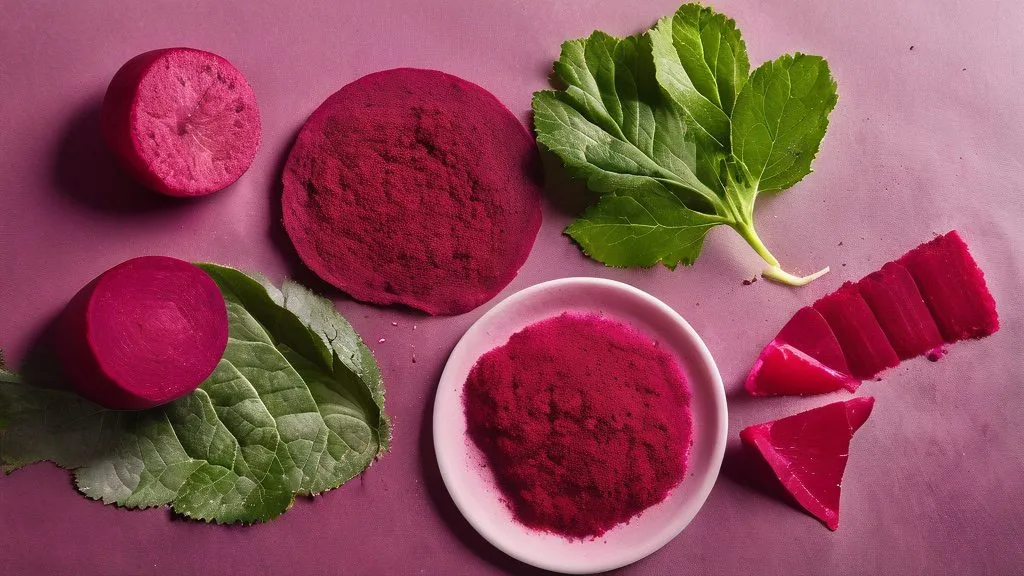
Each of those has a rationale. Beetroot is a concentrated source of dietary nitrate, the raw material for one of the body’s two nitric-oxide pathways. L-citrulline is an amino acid your body converts to arginine, which feeds the other pathway that enzymes use to make nitric oxide directly. Hawthorn is a traditional heart and circulation herb. Vitamin C is included partly because it may help protect nitric oxide from breaking down, and B12 and magnesium round out the blend as general cardiovascular-support nutrients.
CircO2 ingredients: the full label, and the number that matters
Advanced Bionutritionals publishes the Supplement Facts panel on the product page. Here it is in full, per one tablet, 30 per container:
| Ingredient | Amount | % Daily Value |
|---|---|---|
| Vitamin C (as magnesium ascorbate and ascorbic acid) | 100 mg | 111% |
| Vitamin B12 (as methylcobalamin) | 1,000 mcg | 41,667% |
| Magnesium (as magnesium ascorbate) | 4 mg | 1% |
| Proprietary Nitric Oxide Blend — beet root powder (Beta vulgaris), hawthorn berry extract (Crataegus laevigata), L-citrulline, sodium nitrite | 420 mg | not established |
Other ingredients: mannitol, xylitol, modified cellulose, microcrystalline cellulose, plant-based magnesium stearate, natural flavor and color, silica, stevia leaf extract.
The 420 mg problem
The four ingredients that the product is actually sold on — beetroot, hawthorn, L-citrulline and sodium nitrite — are grouped into a single proprietary blend totalling 420 mg, with no individual amounts disclosed.
That total is the finding, because it caps everything. No single ingredient in that blend can exceed 420 mg, and since there are four of them, each one is some undisclosed fraction of that.
Set it against the research. A 2026 randomised, double-blind, placebo-controlled trial in Nutrition Research tested L-citrulline for vascular function at 3,000 mg — and the authors describe that as a relatively low dose, noting that earlier work used high-dose protocols.
So the L-citrulline in CircO2 is, at the absolute maximum, less than one seventh of what a published trial calls a low dose — and that maximum assumes citrulline is the entire blend, which it is not.
The same logic applies to the beetroot. Nitrate trials work in the gram range of beetroot juice or concentrate; a share of 420 mg of powder is a different order of magnitude.
What sodium nitrite is doing in there
The one ingredient that can plausibly act at this scale is sodium nitrite, and it is worth naming plainly because most reviews skip it.
Nitrite is not a precursor that your body has to convert through several steps — it is one step from nitric oxide. That is chemistry, not marketing, and it is also why a lozenge can move a saliva nitric-oxide test strip within minutes. The strip is measuring nitrite. It is not measuring whether your endothelium is healthier.
Sodium nitrite is also a permitted food additive used in curing meats, and it is not dangerous at the amounts a supplement like this can contain within a 420 mg blend. The point is not alarm. The point is that when a product demonstrates its own effect with a colour-changing strip, you should know which ingredient is changing the colour.
What is disclosed is the least interesting part
Note what is quantified: vitamin C, B12 and magnesium — the three ingredients nobody buys this for. The B12 figure of 1,000 mcg is 41,667% of the Daily Value, which sounds dramatic and mostly is not; B12 is water-soluble and high-dose oral B12 is routine. The 4 mg of magnesium is 1% of a day’s requirement and is there as a carrier for the ascorbate, not as a magnesium supplement.
The pattern is the ordinary one for this category: everything cheap is measured, everything the marketing rests on is pooled into a blend.
What the nitric-oxide science really shows
This is where CircO2 has a real foundation, so it is worth being precise. Nitric oxide is a signaling molecule that tells the smooth muscle lining your blood vessels to relax, which widens the vessel and improves blood flow. Your ability to produce it does tend to decline with age and with conditions like high blood pressure, so the premise that supporting nitric oxide could help circulation is biologically sound.
The strongest evidence is for dietary nitrate from beetroot. A systematic review and meta-analysis by Siervo and colleagues in the Journal of Nutrition pooled trials of inorganic nitrate and beetroot juice and found a small but statistically significant reduction in blood pressure. A randomized controlled trial by Kapil and colleagues in the journal Hypertension reported that daily dietary nitrate produced a sustained blood-pressure reduction in people with hypertension. For L-citrulline, a review by Figueroa and colleagues describes modest improvements in vascular function and exercise performance tied to its role in the nitric-oxide pathway.
Notice the recurring word: modest. These are real, measurable effects, typically a few millimeters of mercury off blood pressure or a small edge in exercise tolerance, not the dramatic transformation a sales page implies. And crucially, every one of those studies used isolated beetroot juice, nitrate, or citrulline, not this specific finished lozenge. There is no independent published trial of CircO2 itself that I could find. When the marketing implies near-superhuman results, it is borrowing credibility from the general nitrate literature and stretching it well past what that research actually demonstrates.
The “200% in 20 minutes” claim, and why to be skeptical
The headline promise associated with CircO2 is that it raises nitric oxide levels 200 percent higher within 20 minutes, alongside claims of large jumps in blood flow. Here is the honest read. It is true that nitric-oxide markers rise after you consume dietary nitrate, and the lozenge format does have a genuine rationale, since the first step of the nitrate pathway really does happen in the mouth. But a precise percentage measured and displayed on a sales page is a marketing figure, not a result from a peer-reviewed, placebo-controlled trial of this product. Percentages like that are also easy to inflate depending on the starting point and the measurement method. Treat the number as manufacturer framing rather than proof.
CircO2 versus plain beetroot or L-citrulline
This is the comparison that matters most for your wallet. CircO2 is essentially a convenient, flavored delivery vehicle for two well-studied ingredients you can buy on their own for far less. Plain beetroot powder or beetroot juice delivers the same dietary nitrate that drove the blood-pressure results in the studies above. Bulk L-citrulline is one of the cheapest amino acids on the market and matches the form used in vascular and exercise research.
If you want to understand the mechanism and the food-first options in more depth, see our guide on how to increase nitric oxide naturally. The honest point is that CircO2 is betting its lozenge format, ingredient combination, and branding justify a premium over assembling the same effect yourself. For some people the convenience is worth it. But you are paying extra for packaging and marketing, not for a demonstrated advantage over cheaper beetroot and citrulline.
Price and value
On the official Advanced Bionutritionals site, CircO2 was listed at about 49.95 dollars for a single box, dropping to roughly 44.95 per box when you buy three and about 41.50 per box for six, with free shipping on multi-box orders and a 90-day money-back guarantee. Prices change, so verify the current listing before buying. Either way, that is expensive for what is fundamentally beetroot and citrulline in lozenge form. A tub of beetroot powder or bulk L-citrulline typically costs a fraction of that per month and gives you control over the dose. You are paying for the branded format and the marketing, not for proven superiority.
Who might try it, and who should skip it
Being honest cuts both ways. CircO2 could reasonably appeal to someone who wants a single, convenient lozenge for general circulation support, dislikes measuring powders or drinking beetroot juice, and is not bothered by the price. The ingredients are legitimate and the format is pleasant, and some people simply value a curated product over a do-it-yourself stack.
You should skip it if you want the most evidence per dollar, in which case plain beetroot powder or L-citrulline is cheaper and equally well supported. You should also skip it, or at minimum clear it with your doctor first, if you take blood-pressure or nitrate medication, because stacking a blood-pressure-lowering supplement on top of those drugs is exactly where the real risk lies.
Safety and cautions
The individual ingredients are generally well tolerated, but the very mechanism that makes CircO2 appealing is also its main safety concern. Because these ingredients lower blood pressure, they can add to the effect of antihypertensive medication and push blood pressure too low. The most serious interaction is with nitrate medications such as nitroglycerin used for chest pain, since combining nitrates with nitric-oxide boosters can cause a dangerous drop in blood pressure. Beetroot can also turn urine or stool a reddish color, which is harmless but can be alarming if you are not expecting it. The National Center for Complementary and Integrative Health is a useful reality check on supplement claims in general. If you are pregnant, breastfeeding, on heart or blood-pressure medication, or managing a health condition, talk to a healthcare professional before starting.
The honest bottom line
CircO2 is a legitimate nitric-oxide supplement built on real, if modest, science. Beetroot-derived nitrate and L-citrulline genuinely raise nitric oxide, slightly lower blood pressure, and can modestly improve blood flow, so the core concept is not snake oil. But the finished lozenge has no independent trial, the “200 percent in 20 minutes” headline is marketing rather than peer-reviewed proof, the per-lozenge amounts are not clearly disclosed, and the price sits well above plain beetroot powder or L-citrulline that do the same job. If you want a convenient premium option and can afford it, it is a reasonable experiment. If you want the same nitric-oxide effect at the best value, beetroot powder or bulk L-citrulline will get you there for far less.
This article is for general information and is not medical advice. Talk to a doctor about your specific health, especially before starting any supplement, and particularly if you take blood-pressure or nitrate medication.
Frequently asked questions
What is CircO2?
CircO2 is a nitric-oxide supplement sold by Advanced Bionutritionals as a fast-dissolving lozenge. It combines beetroot powder, L-citrulline, hawthorn berry, vitamin C, vitamin B12, and magnesium. The idea is that nitric oxide, which helps blood vessels relax and widen, declines with age, and that these ingredients help your body make more of it to support circulation, energy, and blood pressure.
Does the science actually support CircO2?
The core mechanism is real but modest. Dietary nitrate from beetroot and the amino acid L-citrulline can raise nitric oxide, slightly lower blood pressure, and modestly improve blood flow and exercise tolerance in studies. However, those trials used isolated beetroot juice or citrulline, not this specific finished product. There is no independent published trial of CircO2 itself, so its bigger claims rest on the general nitrate literature plus marketing.
Is the '200% more nitric oxide in 20 minutes' claim true?
That figure is manufacturer framing, not an independently verified result for this product. Nitric oxide levels genuinely do rise after consuming dietary nitrate, and the lozenge format leans on the fact that nitric-oxide production begins in the mouth. But a precise percentage jump measured on a sales page is a marketing number, not evidence from a peer-reviewed trial of CircO2, so treat it cautiously.
How much does CircO2 cost?
On the official Advanced Bionutritionals site, one box was listed at about 49.95 dollars, dropping to roughly 44.95 per box for three and about 41.50 per box for six, with free shipping on multi-box orders and a 90-day money-back guarantee. Prices change, so check the current listing. That is expensive compared with plain beetroot powder or bulk L-citrulline, which deliver the same nitric-oxide effect for far less.
Who should try CircO2 and who should skip it?
It might appeal to someone who wants a convenient, single lozenge for circulation support and does not mind paying a premium for the branded format. Skip it if you want maximum evidence per dollar, since plain beetroot powder or L-citrulline is cheaper and just as well supported. Skip it entirely, or check with a doctor first, if you take blood-pressure or nitrate medication.
Are there safety concerns with CircO2?
The ingredients are generally well tolerated, but because they lower blood pressure they can interact with antihypertensive drugs and, importantly, with nitrate medications like nitroglycerin, potentially dropping blood pressure too far. Beetroot can turn urine or stool reddish, which is harmless. If you are on heart or blood-pressure medication, pregnant, breastfeeding, or managing a health condition, talk to a doctor before starting. This is not medical advice.
Sources
Every claim above is drawn from these primary sources. Last checked July 2026.
- 1.Siervo M, et al. Inorganic nitrate and beetroot juice supplementation reduces blood pressure in adults: a systematic review and meta-analysis. Journal of Nutrition, 2013.
- 2.Kapil V, et al. Dietary nitrate provides sustained blood pressure lowering in hypertensive patients: a randomized, phase 2, double-blind, placebo-controlled study. Hypertension, 2015.
- 3.Figueroa A, et al. Influence of L-citrulline and watermelon supplementation on vascular function and exercise performance. Current Opinion in Clinical Nutrition and Metabolic Care, 2017.
- 4.National Center for Complementary and Integrative Health (NCCIH), Dietary and Herbal Supplements.
- 5.Advanced Bionutritionals, CircO2 Supplement Facts panel, published on the product page. Per tablet: vitamin C 100 mg, vitamin B12 1,000 mcg, magnesium 4 mg, and a Proprietary Nitric Oxide Blend of 420 mg containing beet root powder, hawthorn berry extract, L-citrulline and sodium nitrite, with no individual amounts disclosed. Checked 19 August 2026
- 6.Nogimura D, Nagaoka K, Ogino K, et al. Vascular effects of l-citrulline supplementation in healthy adults are largely influenced by the prehypertensive range of blood pressure: a double-blind, randomized, placebo-controlled, parallel-group study. Nutrition Research 2026;150:157-173. DOI 10.1016/j.nutres.2026.04.008. Cited for the dose comparison: this trial administered 3,000 mg of L-citrulline and characterises it as a relatively low dose against earlier high-dose studies. Checked 19 August 2026