Energy & Longevity
Pep Tonic Review: Does This Anti-Aging Drink Work?
Key takeaways
- Pep Tonic's marquee ingredients are spermidine (Puremidine), ergothioneine (MitoPrime), and quercetin, delivered as a once-daily superfood drink powder with added fiber.
- The longevity science behind these ingredients is genuine but early: mostly observational human data and animal studies for spermidine and ergothioneine, and modest, mixed human results for quercetin.
- There is no independent published trial of the finished Pep Tonic drink, and the sales page does not clearly list per-ingredient milligram amounts, which matters for judging whether the doses are meaningful.
- It is a premium daily subscription, roughly 50 to 60 dollars per bag; wheat germ, mushrooms, or a single spermidine supplement are far cheaper routes to the same key nutrients. Talk to a doctor first. This is not medical advice.
Longevity supplements are having a moment, and Pep Tonic, from the company Advanced Bionutritionals, is a tidy example of the genre: a single daily scoop that promises to slow the clock at the cellular level. It leans on three compounds with real scientific buzz behind them, which is exactly why it deserves a careful, honest look rather than either breathless excitement or a reflexive eye-roll. The underlying biology is genuinely interesting. The question is whether a premium-priced proprietary drink is the smart way to buy into it. Here is what Pep Tonic actually is, what the science does and does not show, and whether it is worth the money over simpler alternatives.
What Pep Tonic actually is
Pep Tonic is a powder you mix into about 8 ounces of water, ideally in the morning, rather than a capsule you swallow. The company frames it as a first-of-its-kind anti-aging drink built around cellular renewal. The formula centers on three named ingredients: spermidine, sold under the branded name Puremidine; ergothioneine, sold as MitoPrime; and quercetin. Around those sit a fiber blend and what the marketing describes as more than 50 superfoods, from fruits and vegetables to herbs, spices, and prebiotics.
Each headline ingredient has a rationale. Spermidine is a natural compound that, in laboratory and animal studies, triggers autophagy, the process by which cells recycle and clear out their own damaged parts. Ergothioneine is an unusual antioxidant amino acid that the body concentrates inside cells and mitochondria, and some researchers have informally called it a possible “longevity vitamin.” Quercetin is a plant flavonoid studied for its antioxidant and anti-inflammatory activity. The superfood and fiber blend rounds things out as general nutritional support and prebiotic fuel for gut bacteria.
One honest limitation up front: the sales page and materials I reviewed do not clearly publish the exact milligram amounts of spermidine, ergothioneine, or quercetin per scoop. For a supplement asking a premium price, that lack of dosing transparency is a fair mark against it, because the dose is what determines whether you are getting a research-relevant amount or a token sprinkle. Several of the marketing claims, such as feeling more energy “within days,” are also the kind of promises that outrun the published evidence.
What the spermidine science really shows
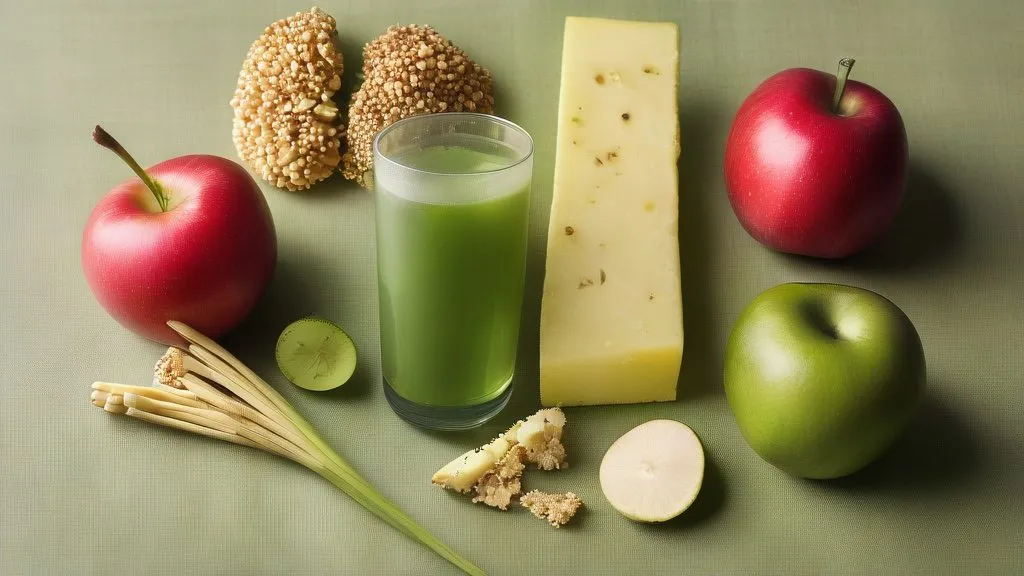
Spermidine is the ingredient doing most of the heavy lifting in Pep Tonic’s story, so it is worth being precise. It is not exotic: you already eat it, in wheat germ, soybeans, aged cheese, mushrooms, and other whole foods. Its appeal to longevity researchers comes from autophagy. When cells can efficiently clear damaged components, they tend to function better, and in model organisms this housekeeping is associated with longer, healthier lifespans.
The animal evidence here is real. A frequently cited study by Eisenberg and colleagues in Nature Medicine reported that the natural polyamine spermidine extended lifespan and offered cardioprotective effects in animal models, with autophagy as the proposed mechanism. That is genuinely interesting mechanistic work, but it is animal research, and effects in mice do not automatically carry over to people.
The most-quoted human data is observational. A prospective population study by Kiechl and colleagues in the American Journal of Clinical Nutrition found that people with higher dietary spermidine intake had lower mortality over the follow-up period. That is a meaningful signal, but an association is not proof of cause. People who eat more spermidine-rich foods may differ in dozens of other ways, and the study reflects food intake, not a specific supplement. Early interventional trials of spermidine in humans, for example in the context of memory in older adults, have been small and produced mixed or modest results. The honest summary: promising, biologically plausible, and still early rather than settled.
Ergothioneine and quercetin: real but modest
Ergothioneine is the second pillar. It is an antioxidant amino acid found especially in mushrooms, and the body has a dedicated transporter that pulls it into cells, which some scientists interpret as a sign it plays a useful role. Observational research supports interest here: a study by Smith and colleagues in the journal Heart linked higher ergothioneine levels in the blood to lower cardiovascular disease and reduced mortality. Again, though, this is an association measured in a population, not a randomized trial showing that supplementing ergothioneine changes outcomes. It tells us the compound is worth studying, not that a daily dose will extend your life.
Quercetin is the most familiar of the three, a flavonoid found in onions, apples, and many other plants. It has been studied for blood pressure, exercise recovery, allergy symptoms, and inflammation. The human results are genuinely mixed and generally modest: some trials show small benefits, others show little, and the doses used in research are often higher than what a blended drink is likely to deliver. It is a reasonable ingredient to include, but it is not a proven anti-aging agent on its own.
Put together, all three ingredients share the same pattern. The science is real and worth taking seriously, but it rests mostly on observational human data and animal or mechanistic work, not on large randomized trials, and certainly not on trials of this specific finished drink.
The missing piece: no trial of the finished product
This is the crux of any honest review. Whatever the individual ingredients can or cannot do, Pep Tonic as a formulated product has no independent published clinical trial behind it. We do not have peer-reviewed evidence that this particular blend, at whatever undisclosed doses it uses, produces measurable anti-aging effects in people. That is not unusual for supplements in this category, but it does mean the marketing claims lean on the general ingredient literature plus the company’s own framing, not on data from the bottle in front of you.
It is also worth noting that spermidine and longevity sit within a broader field of cellular-aging research. If the underlying biology interests you, it is worth understanding the wider landscape, including how the body’s energy machinery ages. Our guide on how to increase NAD naturally covers an adjacent longevity pathway and helps put products like this in context.
Price, value, and cheaper alternatives
Pep Tonic is a premium product, typically sold as a recurring daily subscription. On the official site, a single bag was listed around 59.95 dollars, dropping to roughly 53 dollars per bag for three and about 50 dollars per bag for six, with free shipping on the larger order and a 90-day money-back guarantee. Prices change, so check the current listing. As a daily habit, that adds up to a meaningful annual cost.
The value question is straightforward once you know where the key nutrients come from. Spermidine is abundant in wheat germ, one of the cheapest foods in the grocery store; a few spoonfuls stirred into yogurt or oatmeal delivers a real dose for pennies. Mushrooms are a rich, inexpensive source of ergothioneine. And if you want a concentrated, measured dose, single-ingredient spermidine supplements exist and generally cost far less per day than an all-in-one branded drink. You lose the convenience of one flavored scoop and the superfood blend, but you gain transparency and a much lower price.
The honest bottom line
Pep Tonic is built on genuinely interesting science, and the ingredients it features, spermidine, ergothioneine, and quercetin, are not gimmicks. But the evidence is early: observational human data and animal studies for the first two, modest and mixed human data for the third, and no independent trial of the finished drink at doses the company does not fully disclose. It might reasonably appeal to someone who is curious about spermidine, values convenience, and does not mind paying a premium to try the trend in a single daily scoop.
For most people focused on evidence per dollar, though, whole foods like wheat germ and mushrooms, or a plain single-ingredient spermidine supplement, are the smarter buy. They deliver the same headline nutrients with more transparency and far less cost. Whatever you choose, remember that no drink can undo the basics: sleep, movement, and diet still do the heavy lifting for healthy aging. And if you take medication, are pregnant or breastfeeding, or manage a health condition, talk to a doctor before adding a concentrated daily supplement. This is not medical advice.
Frequently asked questions
What is Pep Tonic?
Pep Tonic is a daily anti-aging drink powder sold by Advanced Bionutritionals. You mix one scoop into about 8 ounces of water, ideally in the morning. Its headline ingredients are spermidine (branded Puremidine), ergothioneine (branded MitoPrime), and quercetin, wrapped in a blend of fiber and what the company describes as more than 50 superfoods. The pitch is that these compounds support cellular renewal, energy, focus, and healthy aging.
Does the science actually support Pep Tonic?
The individual ingredients have real but early evidence. Spermidine is linked to longevity and cellular self-cleaning (autophagy), mostly through observational human studies and animal research. Ergothioneine is an antioxidant amino acid tied in population studies to lower mortality. Quercetin is a flavonoid with modest, mixed human results. Crucially, these findings come from studying the ingredients or whole foods, not the finished Pep Tonic drink, which has no independent published trial of its own.
What is spermidine and is it proven to extend life?
Spermidine is a natural compound found in foods like wheat germ, soy, aged cheese, and mushrooms. In animals it triggers autophagy, the process by which cells clear out damaged parts, and this is associated with longer lifespan in those models. In humans, a widely cited 2018 analysis linked higher dietary spermidine intake to lower mortality, but that is an observational association, not proof that a supplement extends human life. The science is genuinely intriguing but still early.
How much does Pep Tonic cost?
On the official Advanced Bionutritionals site, one bag was listed at about 59.95 dollars, dropping to roughly 53 dollars per bag for three and about 50 dollars per bag for six, with free shipping on the six-bag order and a 90-day money-back guarantee. It is typically sold as a recurring daily subscription. Prices change, so check the current listing. Either way, it is expensive next to whole foods or a plain spermidine supplement.
Who should try Pep Tonic and who should skip it?
It might appeal to someone curious about spermidine and ergothioneine who values the convenience of one daily scoop and does not mind paying a premium. Skip it if you want maximum evidence per dollar, since wheat germ, mushrooms, or a single-ingredient spermidine supplement deliver the key nutrients far more cheaply. Skip it, or check with a doctor first, if you are pregnant, breastfeeding, on medication, or managing a health condition.
Are there safety concerns with Pep Tonic?
The core ingredients are generally regarded as safe at food-level intakes, and spermidine and ergothioneine are naturally present in a normal diet. That said, concentrated daily supplements have not been studied long-term in the exact combination Pep Tonic uses, quercetin can interact with some medications, and the fiber blend may cause bloating at first. If you take prescription drugs, are pregnant or breastfeeding, or have a health condition, talk to a doctor before starting. This is not medical advice.
Sources
Every claim above is drawn from these primary sources. Last checked July 2026.
- 1.Eisenberg T, et al. Cardioprotection and lifespan extension by the natural polyamine spermidine. Nature Medicine, 2016.
- 2.Kiechl S, et al. Higher spermidine intake is linked to lower mortality: a prospective population-based study. American Journal of Clinical Nutrition, 2018.
- 3.Smith E, et al. Ergothioneine is associated with reduced mortality and decreased risk of cardiovascular disease. Heart, 2020.
- 4.National Center for Complementary and Integrative Health (NCCIH), Dietary and Herbal Supplements.