Minerals
Zinc Benefits: What It Really Does (and the Copper Catch)
Key takeaways
- Correcting a real zinc deficiency clearly supports immunity, skin, wound healing, and taste and smell.
- Zinc lozenges taken within ~24 hours of a cold may shorten it modestly, but the evidence is mixed and form-dependent.
- For people who already get enough, routine high-dose zinc offers little added benefit.
- Chronic high-dose zinc (over 40 mg/day) can cause copper deficiency and even suppress immune function.
Zinc sits in a strange spot in the supplement world. It is a genuinely essential mineral your body cannot make or store in large amounts, and a real deficiency causes obvious problems. At the same time, it has been oversold as a cold cure and an everyday immune booster in ways the evidence does not fully support. And unlike many popular supplements, zinc has a real downside when overdone. Here is the honest, balanced picture of what zinc does, who actually needs it, and why the “more is better” instinct backfires.
What zinc actually does in the body
Zinc is a workhorse trace mineral involved in hundreds of enzymatic reactions. According to the NIH Office of Dietary Supplements, it plays a central role in immune function, protein and DNA synthesis, wound healing, cell division, and your sense of taste and smell. It is also needed for normal growth and development, which is why zinc deficiency is especially serious in children and during pregnancy.
Because zinc touches so many systems, the symptoms of a real deficiency are wide-ranging: impaired immunity and more frequent infections, slow wound healing, hair loss, skin problems, a dulled sense of taste or smell, and poor appetite. In parts of the world where diets are low in animal foods, zinc deficiency is a recognized public health issue. In wealthier countries it is less common but still shows up in specific groups: older adults, people with gut conditions that impair absorption, heavy drinkers, and those on strict plant-based diets.
The important nuance is that most of zinc’s clearest benefits are about fixing a shortfall. When you correct a deficiency, immune function, skin, and healing genuinely improve. When you are already replete, adding more zinc does not keep pushing those benefits higher, and this is where a lot of marketing quietly misleads.
Zinc and immunity: real, but conditional
Zinc’s link to immunity is legitimate. Immune cells depend on it, and deficiency measurably weakens the body’s defenses. So if you are low in zinc, correcting that helps your immune system work as it should.
The trouble starts when this gets stretched into “zinc boosts immunity for everyone.” For a well-nourished person, there is little evidence that extra zinc supercharges an already healthy immune system. In fact, the relationship is shaped like a U: too little zinc impairs immunity, and too much can impair it as well. Chronic high doses can suppress immune function rather than enhance it, which turns the whole “immune booster” pitch on its head. This is the same pattern you see with many nutrients, where the goal is sufficiency rather than excess. It is a theme we return to in our look at do multivitamins actually work.
Zinc for the common cold: the honest verdict
This is zinc’s most famous claim, and it deserves a careful answer. Some research, including a well-known Cochrane review on zinc for the common cold, has found that zinc lozenges taken soon after symptoms begin can shorten how long a cold lasts. That is a real signal, not wishful thinking.
But the honest caveats are big. The evidence is mixed and inconsistent across studies. The benefit appears to depend heavily on the form of zinc, the total daily dose, and how quickly you start, ideally within about 24 hours of the first symptoms. Different lozenge formulations deliver different amounts of usable zinc, and some contain ingredients that may blunt its effect. High-dose lozenges can also cause nausea and a lingering bad taste, and prolonged use runs into the copper problem discussed below.
So the balanced takeaway is this: zinc lozenges started right away may trim a cold by a modest amount, but they are not a reliable cure, they do not prevent colds in healthy people, and they are meant for short-term use during an illness, not daily consumption.
Skin, wound healing, and acne
Zinc’s role in skin is well established at the level of deficiency. Because it supports cell division and tissue repair, low zinc slows wound healing and can cause skin lesions. Correcting a deficiency reliably helps.
Acne is a more specific and popular claim. There is reasonable evidence that some people with acne, particularly those who are low in zinc, may see improvement with zinc supplementation. But it is not a guaranteed acne treatment for everyone, and it works best as part of a broader approach rather than a standalone fix. Once again, the benefit is clearest when it corrects an actual shortfall.
Where to get zinc from food
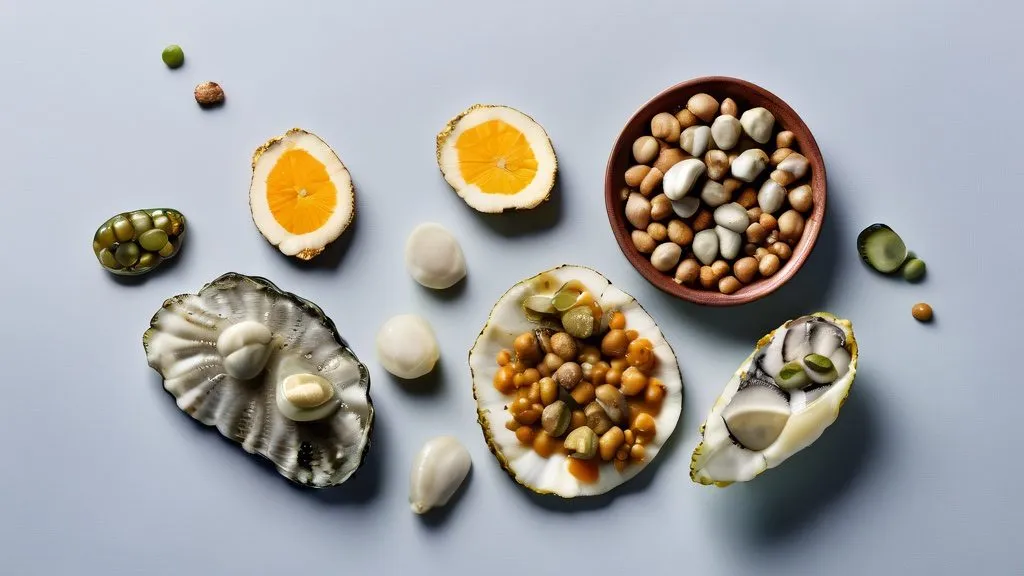
Food is the ideal starting point, and the richest sources are striking. Oysters contain far more zinc per serving than any other common food. After that come red meat, poultry, crab and other shellfish, and, in smaller and less absorbable amounts, beans, lentils, nuts, seeds, and whole grains.
There is an important catch for plant-based eaters. Zinc from plant foods is less bioavailable, partly because compounds called phytates in grains and legumes bind zinc and reduce absorption. This is why vegetarians and especially vegans may need meaningfully more dietary zinc, or a modest supplement, to stay sufficient. Soaking, sprouting, or fermenting grains and legumes can help improve absorption somewhat.
The copper catch: why more is not better
This is the part most zinc marketing skips, and it matters. Zinc and copper compete for absorption in the gut. Take too much zinc for too long, and you can quietly drive your copper levels down until you become copper deficient.
Copper deficiency is not trivial. It can cause anemia and neurological problems, including numbness, weakness, and gait issues, that are sometimes misdiagnosed because doctors do not always think to check copper. The NIH sets the tolerable upper intake level for adults at about 40 mg of zinc per day from all sources, and staying under that long-term is the sensible default. The people who get into trouble are usually those taking high-dose zinc every day for months, sometimes for a vague “immune support” reason that was never justified in the first place.
Zinc can also interfere with certain medications, notably reducing the absorption of some antibiotics such as tetracyclines and quinolones, which is why those are typically spaced hours apart from zinc.
The bottom line
Zinc is essential, and correcting a genuine deficiency clearly helps immunity, skin, healing, and taste. Zinc lozenges started at the first sign of a cold may modestly shorten it, though the evidence is mixed and depends on getting the form, dose, and timing right. What zinc is not is a daily megadose worth taking for open-ended “immune boosting,” because chronic high intake risks copper deficiency and can even suppress immunity.
The practical plan is simple: get zinc from food first, use lozenges short-term if you catch a cold early, and only supplement daily if your diet or health status genuinely calls for it, keeping the dose within recommended limits. Timing and moderation matter more than most people assume, a point we cover more broadly in our guide to the best time to take supplements. As always, if you take medication or have a health condition, check with a clinician before starting a daily zinc supplement.
Frequently asked questions
Does zinc help with colds?
It might, but only in a specific way. Some trials and reviews suggest that zinc lozenges started within roughly 24 hours of the first symptoms can shorten a cold's duration modestly. The catch is that the evidence is genuinely mixed, and results depend heavily on the form of zinc, the dose, and how often you take it. Zinc does not prevent colds in well-nourished people, and taking it after day two or three is unlikely to help.
How much zinc is too much?
For most adults, the tolerable upper intake level from supplements and food is about 40 mg per day, according to the NIH Office of Dietary Supplements. Staying under that long-term is sensible. Higher chronic intakes can interfere with copper absorption and, over months, cause copper deficiency with symptoms like anemia and neurological problems. Short bursts of higher-dose lozenges for a few days during a cold are a different situation from taking a high dose every single day.
What foods are high in zinc?
Oysters are by far the richest source, followed by red meat, poultry, crab and other shellfish, and to a lesser degree beans, lentils, nuts, seeds, and whole grains. Animal foods are the most reliable sources because zinc from plants is less well absorbed, partly due to compounds called phytates. That lower bioavailability is why vegetarians and vegans may need to be more deliberate about zinc.
Should I take zinc every day?
Only if you have a reason to, such as a diagnosed deficiency, a diet low in zinc-rich foods, or a condition that increases your needs. For people already eating enough, a daily zinc supplement adds little and, at high doses, can do harm over time. If you do supplement daily, a modest dose within recommended limits is safer than a megadose.
Can zinc cause copper deficiency?
Yes, and this is an underappreciated risk. Zinc and copper compete for absorption, so taking high doses of zinc over weeks to months can drive copper levels down. Copper deficiency can cause anemia and neurological issues that are sometimes mistaken for other conditions. This is the main reason routine high-dose zinc is discouraged, and why some long-term zinc users add a small amount of copper under medical guidance.
Does zinc interact with any medications?
It can. Zinc may reduce the absorption of certain antibiotics, including some tetracyclines and quinolones, so those are usually spaced apart from zinc by a few hours. Zinc can also interact with certain other drugs and supplements. If you take prescription medication, check with a pharmacist or doctor before starting a daily zinc supplement.
Sources
Every claim above is drawn from these primary sources. Last checked July 2026.