Energy & Longevity
Quercetin Benefits: What the Evidence Actually Supports
Key takeaways
- Quercetin is a dietary flavonoid with clear antioxidant and anti-inflammatory activity in laboratory studies, but its human effects are smaller and more mixed.
- The most consistent human benefit is a modest reduction in blood pressure, seen mainly at higher doses (around 500 mg or more) and in people with hypertension.
- Evidence for allergies, exercise recovery and immunity is weak or inconsistent, and the 'senolytic' anti-aging use is early experimental research, not something to self-experiment with.
- Quercetin is poorly absorbed, so supplements often pair it with bromelain, vitamin C or use a phytosome form; onions, apples and capers are easy food sources.
Quercetin has quietly become one of the internet’s favorite supplements. It gets recommended for seasonal allergies, sold in immune-support stacks, folded into “longevity” protocols, and praised as a natural antioxidant that does a bit of everything. Some of that reputation is earned, and some of it is marketing running well ahead of the evidence. The honest version is more specific and more useful: quercetin is a genuinely interesting plant compound with one modest, reasonably well-supported benefit and a long list of claims that are weaker than they sound.
What quercetin actually is
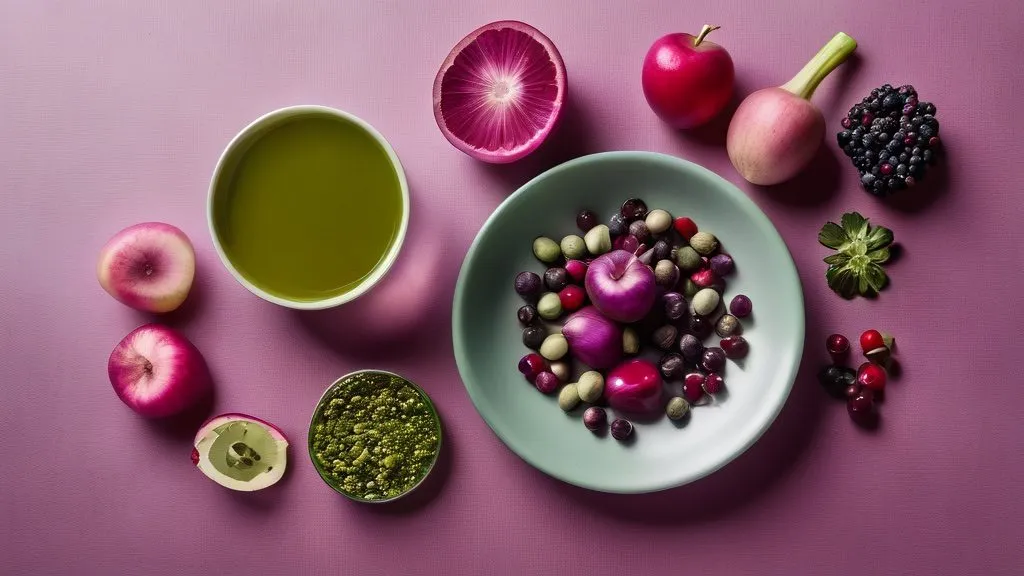
Quercetin is a flavonoid, a type of plant pigment and antioxidant found across the plant kingdom. You already eat it every day. It is concentrated in onions, especially red and yellow ones, and also shows up in apples (mostly in the skin), capers, berries, kale, broccoli, red grapes, and in tea and red wine. It is one of the most abundant flavonoids in the typical diet, which is part of why researchers have studied it so heavily.
The reason it attracts attention is what it does at the cellular level. In laboratory and test-tube studies, quercetin behaves as an antioxidant, neutralizing reactive molecules that can damage cells, and as an anti-inflammatory, dampening some of the signaling that drives inflammation. Reviews of this mechanistic work, such as the overview by Anand David and colleagues in Pharmacognosy Reviews, describe a broad range of biological activity in cell and animal models. That lab activity is real. The hard part, as always, is whether it translates into meaningful effects in living, breathing people, and that is where the story gets more cautious.
The one benefit with real support: blood pressure
If quercetin has a signature human benefit, it is a small reduction in blood pressure. This is the area with the most convincing clinical data. A systematic review and meta-analysis by Serban and colleagues, published in the Journal of the American Heart Association, pooled randomized controlled trials and found that quercetin supplementation produced a statistically significant drop in blood pressure.
Two details make that finding more honest and more useful. First, the effect was modest, not dramatic. Quercetin is not a replacement for blood-pressure medication or for the diet-and-exercise fundamentals that move the needle most. Second, the benefit was clearest at higher doses, around 500 mg per day or more, and tended to show up more in people who already had elevated blood pressure than in healthy volunteers with normal readings. That pattern, where the compound helps most when there is a problem to correct, is common in nutrition research and is a point in favor of the finding being real rather than a statistical fluke.
So the fair summary is that quercetin has a small, repeatable blood-pressure signal at meaningful doses. That is more than most supplements can claim, and it is also far more limited than the “does everything” marketing suggests.
Allergies and immunity: plausible but weak
The allergy pitch is where quercetin’s reputation runs furthest ahead of its evidence. The theory is genuinely appealing. In laboratory studies, quercetin can stabilize mast cells and reduce the release of histamine, the chemical responsible for the classic allergy triad of sneezing, itching and a runny nose. On paper, that makes it sound like a natural antihistamine.
The problem is that this test-tube behavior has not produced strong human results. Well-designed clinical trials showing that quercetin supplements reliably relieve hay fever or other allergy symptoms in people are scarce, and the mechanism being plausible is not the same as the pill working in your body. The same caution applies to immunity and inflammation more broadly. Reviews such as Li and colleagues in Nutrients lay out quercetin’s anti-inflammatory and immune-modulating activity in detail, but much of that evidence is mechanistic or from animal models rather than large trials proving that supplements make people healthier or less sick. Some individuals may notice a benefit, but you should file allergy and immune relief under “unproven and worth being skeptical of,” not “established.”
Exercise and immunity stacks make similar claims, often around reducing post-workout inflammation or catching fewer colds. Here too the human trial results are inconsistent, with some studies hinting at small effects and others finding nothing meaningful.
The senolytic and longevity angle: experimental, not DIY
Quercetin has recently been swept into the anti-aging conversation because of research into senolytics, compounds that help clear out senescent cells. These are damaged “zombie” cells that stop dividing but refuse to die, and their accumulation is thought to contribute to aging and age-related disease. In this research, quercetin is not used alone. It is paired with dasatinib, a prescription cancer drug, in a combination usually written as D+Q.
Early work, including a small preliminary human trial by Hickson and colleagues in EBioMedicine, reported that the dasatinib-plus-quercetin combination reduced markers of senescent cells in people. That is scientifically interesting, but it needs to be read carefully. This is early, experimental research using a powerful prescription drug with real side effects, not evidence that a quercetin supplement on its own will slow your aging. The senolytic effect in these studies is tied to the drug combination and specific dosing protocols under medical supervision. Trying to recreate a dasatinib-and-quercetin protocol at home would be genuinely dangerous, and it is exactly the kind of “biohack” worth steering clear of.
The absorption problem
There is a practical catch that undercuts a lot of quercetin’s promise: it is poorly absorbed. Swallow plain quercetin and only a small fraction actually makes it into your bloodstream, which means the dose reaching your tissues may be far lower than the number on the label suggests. This is one reason human results are often weaker than the impressive lab data.
Supplement makers try to work around this. Some pair quercetin with bromelain (an enzyme from pineapple) or vitamin C, and others use a phytosome form, where the quercetin is bound to a fat-like carrier to improve uptake. These formulations aim to get more of the compound into your body, though how much they change real-world outcomes is still being worked out. The takeaway is simple: if you are going to try quercetin, the form matters, and a bare quercetin capsule may be one of the least effective options.
If you are exploring quercetin as part of a broader interest in cellular aging, it also shows up as an ingredient in blended longevity products. Our Pep Tonic review covers one such formula that includes quercetin, and if the anti-aging biology is what draws you, our guide to spermidine benefits walks through a related, better-studied longevity compound.
Safety and interactions
Quercetin from food is safe for essentially everyone, and short-term supplement use at typical doses is generally well tolerated. The real unknowns sit at the edges. Long-term safety at high doses has not been well characterized, so taking large amounts for months or years is more of an open question than a settled one. Quercetin can also influence enzymes that metabolize certain medications, which means it has the potential to interact with drugs and alter how they work. There is additional caution around very high doses and kidney health.
Because of that, the sensible approach is a modest dose rather than a mega-dose, and a conversation with your doctor first if you take prescription medicines, have kidney issues, or are pregnant or breastfeeding. None of this is medical advice, and quercetin should be treated as an optional extra rather than a treatment.
The honest bottom line
Quercetin is a reasonable antioxidant with one genuine, if small, benefit: a modest blood-pressure reduction at higher doses, especially in people with hypertension. Beyond that, the popular claims thin out fast. Allergy relief is plausible in theory but poorly supported in people, immune and exercise benefits are mixed, and the exciting senolytic longevity research is early, drug-dependent and firmly not a DIY project. Add in poor absorption, and it becomes clear why quercetin so often underperforms its reputation. If you want the compound, the cheapest and safest route is the produce aisle: onions, apples, capers, berries and tea deliver it with no downside. A supplement, ideally an absorption-enhanced form, is a defensible extra for the blood-pressure angle, but keep your expectations calibrated to the evidence rather than the marketing.
Frequently asked questions
What is quercetin good for?
In the lab quercetin is a solid antioxidant and anti-inflammatory, but in people the proven benefits are narrower. The strongest human evidence is for a modest reduction in blood pressure, mostly at higher doses and in people who already have high blood pressure. It is also widely sold for allergies, immune support and exercise recovery, but the evidence there is weak or mixed. A fair summary is that quercetin is a reasonable antioxidant with a small, real blood-pressure signal and a lot of hype beyond that.
Does quercetin help allergies?
The idea is biologically plausible, because in laboratory studies quercetin can stabilize mast cells and reduce the release of histamine, the chemical behind sneezing, itching and a runny nose. But that lab activity has not translated into strong human trial evidence. Well-controlled studies showing that quercetin supplements reliably relieve hay fever or other allergy symptoms in people are scarce. It may help some individuals, but you should treat allergy relief as an unproven claim rather than an established benefit, and not as a replacement for treatments that are proven to work.
What foods are high in quercetin?
Onions, especially red and yellow onions, are one of the richest common sources, with much of the quercetin concentrated in the outer layers. Apples (with the skin), capers, which are unusually high, berries, kale and other leafy greens, broccoli, red grapes, and beverages like black and green tea and red wine all contribute. Because quercetin is spread across many everyday plant foods, a varied diet built around vegetables, fruit and tea naturally supplies a steady amount without any supplement.
How much quercetin should I take?
There is no official recommended dose, and studies have used a wide range, commonly from about 500 mg to 1,000 mg per day. The blood-pressure trials that showed an effect tended to use higher doses, around 500 mg or more. Higher is not automatically better, though: long-term safety at high doses is not well established. If you decide to try a supplement, a modest dose is more sensible than a very high one, and it is worth checking with a doctor first, particularly if you take medication.
Is quercetin safe?
For most people, quercetin from food is safe, and short-term supplement use at typical doses is generally well tolerated. The bigger unknowns are high-dose, long-term use, where the safety data are thin, and possible interactions. Quercetin can affect enzymes that process certain medications, so it may change how some drugs behave, and there is caution around very high doses and kidney health. If you have kidney problems, take prescription medicines, or are pregnant or breastfeeding, talk to your doctor before supplementing. This article is not medical advice.
Is quercetin a senolytic that slows aging?
Quercetin is being studied as a 'senolytic', a compound that helps clear senescent 'zombie' cells thought to drive aging, usually paired with the cancer drug dasatinib. Early research, including small human pilot work, has explored this combination, but it is genuinely experimental and involves a prescription drug with real risks. It is not evidence that taking a quercetin supplement on its own will slow your aging, and the dasatinib-plus-quercetin protocol is absolutely not something to self-experiment with at home.
Sources
Every claim above is drawn from these primary sources. Last checked July 2026.
- 1.Serban MC, et al. Effects of Quercetin on Blood Pressure: A Systematic Review and Meta-Analysis of Randomized Controlled Trials. Journal of the American Heart Association, 2016.
- 2.Li Y, et al. Quercetin, Inflammation and Immunity. Nutrients, 2016.
- 3.Hickson LJ, et al. Senolytics decrease senescent cells in humans: Preliminary report from a clinical trial of Dasatinib plus Quercetin in individuals with diabetic kidney disease. EBioMedicine, 2019.
- 4.Anand David AV, et al. Overviews of Biological Importance of Quercetin: A Bioactive Flavonoid. Pharmacognosy Reviews, 2016.